June 12th, 2026
What Are the Best Rags for Industrial Cleaning Tasks?
Industrial cleaning is far more demanding than everyday household cleaning. Factories, workshops, warehouses, automotive garages, and manufacturing plants deal with heavy grease, oil, metal dust, chemicals, and stubborn contaminants that require highly efficient wiping solutions. In these environments, the quality of wiping materials directly impacts cleanliness, safety, and operational efficiency.
Choosing the right wiping material is not just about cost—it’s about performance, durability, absorbency, and compatibility with different industrial surfaces. That’s why businesses rely heavily on professional-grade wiping solutions like industrial rags and specialized cleaning cloths designed for tough jobs.
In this blog, we will explore the best types of rags for industrial cleaning tasks, how to choose them, their applications, and why trusted suppliers like Coastal Wipers play a key role in maintaining industrial hygiene standards.
Why Industrial Cleaning Requires Specialized Rags
Industrial environments face challenges that regular cloth simply cannot handle. Oil spills in automotive shops, coolant residue in manufacturing plants, ink in printing units, and dust in construction sites all require strong, absorbent, and reusable wiping solutions.
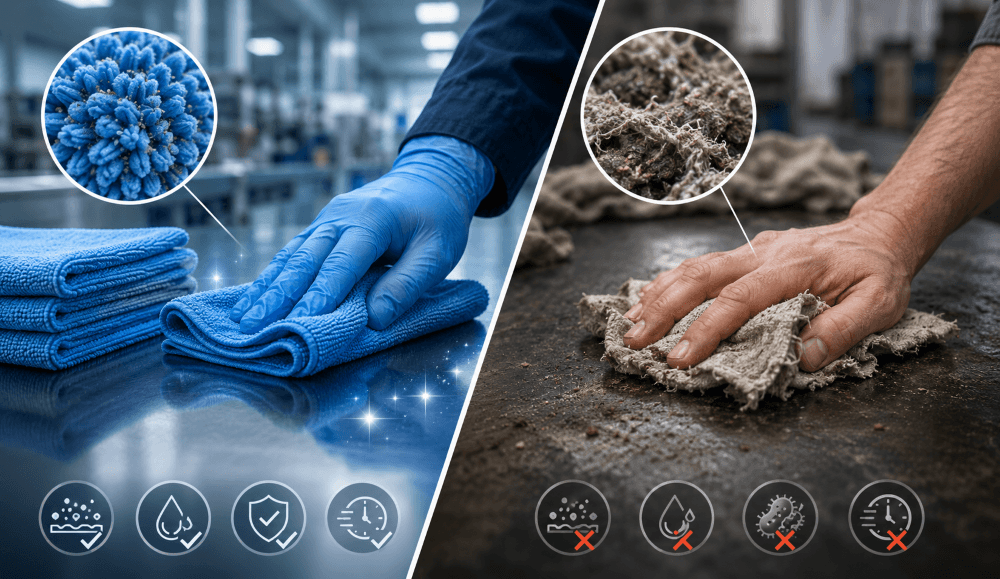
Standard household cloths quickly wear out or spread contaminants instead of removing them. This is where industrial rags become essential. These are designed specifically to handle heavy-duty cleaning without breaking down easily.
Similarly, high-quality cleaning cloths are engineered to be lint-free, highly absorbent, and resistant to tearing, making them ideal for precision cleaning tasks in sensitive environments like electronics or automotive painting.
Companies like Coastal Wipers understand these challenges and provide tailored wiping solutions for different industrial needs.
Types of Rags Used in Industrial Cleaning
Not all rags are created equal. Different materials serve different purposes depending on the type of cleaning required. Let’s break down the most effective options used in industrial settings.
1. Cotton Industrial Rags
Cotton remains one of the most widely used materials in industrial cleaning. It is soft, highly absorbent, and cost-effective. Cotton-based industrial rags are perfect for wiping oil, grease, and general spills.
They are also reusable, making them economical for long-term use in large facilities.
Best for:
- Oil and grease cleanup
- Machinery wiping
- General maintenance
- Recycled Fabric Rags
These are made from repurposed clothing materials such as t-shirts, denim, and towels. Recycled rags are both eco-friendly and highly absorbent.
Many industries prefer them because they are affordable and versatile.
Benefits include:
- High absorbency
- Eco-friendly disposal reduction
- Cost efficiency
These are widely supplied by brands like Coastal Wipers, ensuring consistent quality and performance.
- Microfiber Cleaning Cloths
Microfiber is one of the most advanced materials used in modern cleaning. These cleaning cloths are made of ultra-fine synthetic fibers that trap dust, dirt, and oil at a microscopic level.
Unlike cotton, microfiber does not just push dirt around—it captures and holds it.
Best for:
- Electronics cleaning
- Glass and polished surfaces
- Automotive detailing
Microfiber cleaning cloths are especially important in industries where precision is critical.
- Non-Woven Disposable Wipers
Disposable wipes are designed for single-use applications where hygiene is critical. They are commonly used in medical, food processing, and chemical industries.
These industrial rags are engineered for strength and absorption while minimizing contamination risks.
Advantages:
- Hygienic and disposable
- Chemical resistant options available
- No laundering required
Coastal Wipers offers a wide range of non-woven wiping solutions for industries requiring strict cleanliness standards.
- Terry Towels and Heavy-Duty Cloths
Terry cloths are thick, looped fabric materials that provide excellent absorbency. They are commonly used in automotive workshops and heavy machinery cleaning.
These are durable cleaning cloths that can handle repeated use and tough cleaning conditions.
Use cases:
- Engine cleaning
- Spill absorption
- Heavy grease removal
Key Factors to Consider When Choosing Industrial Rags
Selecting the right wiping solution is essential for maintaining productivity and reducing costs. Here are the most important factors to evaluate:
1. Absorbency
The primary purpose of any rag is to absorb liquids and contaminants. High-quality industrial rags should be able to absorb oil, water, and chemicals efficiently without dripping or smearing.
2. Lint-Free Performance
In industries like automotive painting or electronics, lint can cause defects. That’s why lint-free cleaning cloths are critical for precision tasks.
3. Durability
Industrial cleaning often involves rough surfaces and heavy scrubbing. Durable materials last longer and reduce replacement costs.
4. Cost Efficiency
While high-performance materials may cost more upfront, reusable options reduce long-term expenses.
5. Chemical Resistance
Some industries deal with solvents and corrosive substances. In such cases, chemically resistant industrial rags are necessary for safety and effectiveness.
Common Industrial Applications of Rags
Different industries rely on specialized wiping materials for their daily operations. Let’s explore where these products are most commonly used.
Manufacturing Units
Factories use industrial rags to clean machines, remove lubricants, and maintain equipment efficiency. Regular cleaning prevents breakdowns and improves productivity.
Automotive Industry
From garages to detailing centers, cleaning cloths are essential for wiping oil, polishing surfaces, and cleaning engine parts.
Construction Sites
Construction environments generate dust, cement residue, and grease. Heavy-duty rags help maintain cleanliness and worker safety.
Food Processing Units
Hygiene is critical in food industries. Disposable wipes ensure contamination-free cleaning processes.
Printing and Packaging
Ink removal and equipment cleaning require lint-free materials, making microfiber cleaning cloths ideal.
Why Quality Matters in Industrial Cleaning Materials
Low-quality rags can lead to inefficiency, contamination, and increased operational costs. Poor absorbency means more time spent cleaning, while low durability results in frequent replacements.
High-quality solutions like those from Coastal Wipers ensure consistent performance across all industrial applications.
Using premium industrial rags not only improves cleaning efficiency but also enhances workplace safety and reduces downtime.
Similarly, professional-grade cleaning cloths ensure surfaces are properly maintained without damage or residue.
Advantages of Using Professional-Grade Rags
Investing in high-quality wiping materials provides several benefits:
1. Improved Efficiency
Better absorbency means faster cleaning cycles.
2. Reduced Waste
Reusable options lower disposal costs and environmental impact.
3. Enhanced Safety
Proper cleaning reduces slip hazards and contamination risks.
4. Better Surface Protection
Soft, lint-free materials prevent scratches and damage.
5. Cost Savings
Durable industrial rags reduce the need for frequent replacements.
Why Choose Coastal Wipers
When it comes to reliable industrial wiping solutions, Coastal Wipers stands out as a trusted name in the industry. The company specializes in providing high-quality wiping products designed to meet diverse industrial needs.
Their product range includes:
- Rags, Towels, & Wiping Cloths
- Non-Woven Disposable Wipers
- Microfiber Cleaning Solutions
- Industrial Sorbents
Each product is designed to deliver maximum performance, durability, and cost efficiency.
Businesses that rely on Coastal Wipers benefit from consistent quality, bulk supply options, and industry-specific solutions tailored to demanding environments.
Whether you need heavy-duty industrial rags for manufacturing or precision cleaning cloths for delicate surfaces, Coastal Wipers offers dependable solutions.
Best Practices for Using Industrial Rags
To get the most out of your wiping materials, follow these best practices:
1. Separate by Use
Do not mix oil-based and water-based cleaning rags.
2. Store Properly
Keep rags in clean, dry storage areas to prevent contamination.
3. Dispose Responsibly
Use disposable wipes in hygiene-critical industries.
4. Wash Reusable Cloths
Proper laundering extends the life of reusable industrial rags.
5. Match Rag Type to Task
Use microfiber for delicate surfaces and heavy cotton rags for grease removal.
The Future of Industrial Cleaning Materials
The industrial cleaning industry is evolving rapidly with advancements in material science. Eco-friendly options, reusable microfiber technologies, and high-performance synthetic blends are becoming increasingly popular.
Sustainability is also a growing priority. Many companies now prefer recyclable and reusable cleaning cloths to reduce environmental impact.
Brands like Coastal Wipers are continuously innovating to meet these demands with smarter, more efficient wiping solutions.
Conclusion
Choosing the best wiping materials for industrial environments is essential for maintaining cleanliness, safety, and productivity. From cotton and recycled fabric to microfiber and disposable options, each type of rag serves a unique purpose.
High-quality industrial rags ensure heavy-duty cleaning tasks are handled efficiently, while advanced cleaning cloths provide precision and cleanliness in sensitive applications.
With reliable suppliers like Coastal Wipers, industries can access durable, cost-effective, and performance-driven wiping solutions tailored to their specific needs.
Investing in the right materials today leads to better efficiency, lower costs, and a cleaner, safer working environment tomorrow.
