June 15th, 2026
How Do Non-Woven Disposable Wipers Improve Workplace Hygiene?
Maintaining a clean, safe, and contamination-free environment has become a top priority across industries ranging from healthcare and food processing to manufacturing and automotive services. One of the most effective tools supporting this goal is the use of advanced cleaning materials designed for efficiency and hygiene control. Among these, non-woven cleaning solutions have transformed the way facilities manage spills, surface cleaning, and contamination risks.
In this context, non-woven cleaning wipes play a crucial role in strengthening sanitation practices and improving operational safety. They are specifically designed for single-use or limited-use applications, reducing the risk of cross-contamination and improving cleaning consistency across different work environments.
This blog explores how non-woven disposable wipers enhance cleanliness standards, reduce contamination risks, and significantly improve workplace hygiene, while also highlighting their practical advantages for modern industries. We will also look at how solutions from Coastal Wipers support businesses in achieving higher cleaning efficiency and safety compliance.
Understanding Non-Woven Disposable Wipers
Before exploring their benefits, it is important to understand what makes these cleaning products unique.
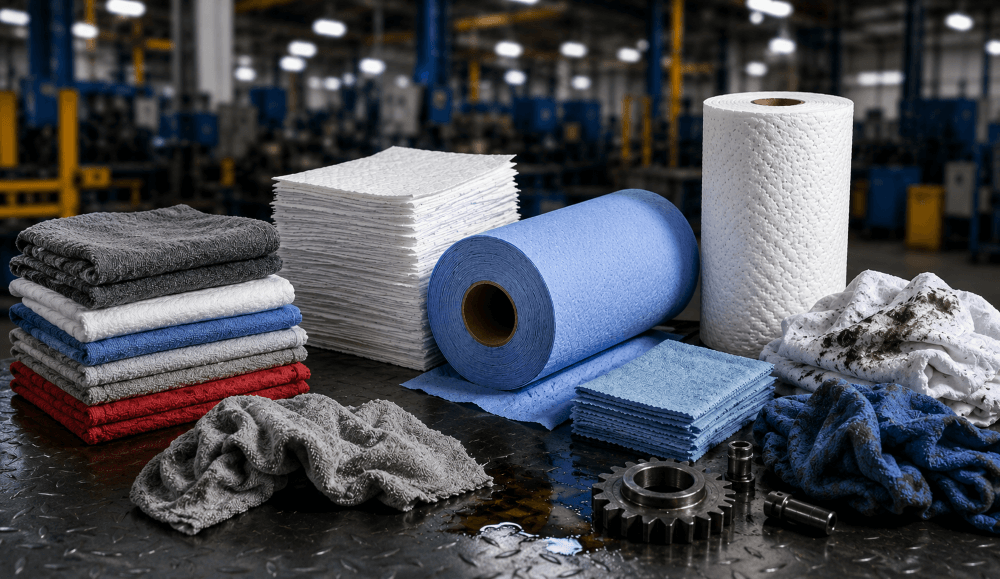
Non-woven disposable wipers are engineered cleaning materials made by bonding fibers together through mechanical, thermal, or chemical processes rather than weaving them like traditional textiles. This structure gives them superior absorbency, durability, and versatility.
Unlike conventional cloth rags that may carry hidden bacteria or degrade over time, these wipes are designed for controlled usage and disposal after cleaning tasks. This significantly reduces contamination risks and improves sanitation standards in sensitive environments.
When we refer to disposable wipers, we are talking about single-use or limited-use cleaning materials designed to maintain cleanliness without requiring laundering or reuse. These are especially important in environments where hygiene is critical, such as hospitals, laboratories, and food production units.
The growing preference for disposable wipers is driven by their ability to reduce labor costs, eliminate washing processes, and most importantly, enhance workplace hygiene by minimizing microbial transfer.
Why Workplace Hygiene Matters in Modern Industries
Today’s industrial and commercial environments operate under strict safety and cleanliness regulations. Poor sanitation can lead to contamination, equipment damage, health risks, and even regulatory penalties.
Strong workplace hygiene practices are not just about visual cleanliness—they directly impact:
- Employee health and safety
- Product quality and integrity
- Regulatory compliance (FDA, ISO, OSHA standards)
- Operational efficiency
- Brand reputation and customer trust
Industries such as healthcare, pharmaceuticals, and food production are particularly sensitive to hygiene failures. Even a small lapse can result in contamination outbreaks or product recalls.
This is where advanced cleaning tools like non-woven wipes become essential. By ensuring consistent cleaning performance, they help organizations maintain strict hygiene standards and reduce risks associated with reusable cleaning materials.
How Non-Woven Disposable Wipers Improve Hygiene Standards
The advantages of non-woven cleaning materials extend far beyond basic surface wiping. Their design and usability contribute directly to safer, cleaner environments.
1. Reduction of Cross-Contamination
One of the biggest risks in any workplace is cross-contamination. Traditional cloth rags can harbor bacteria, chemicals, or debris even after washing. When reused across different surfaces or departments, they can transfer contaminants unintentionally.
By contrast, disposable wipers are used once or for a limited application before being discarded. This single-use approach drastically reduces contamination pathways and ensures a cleaner working environment.
This directly enhances workplace hygiene by preventing the spread of harmful microorganisms between surfaces, tools, and personnel.
- Superior Absorbency and Cleaning Efficiency
Non-woven materials are engineered for high absorbency. They can quickly soak up liquids, oils, and chemicals without breaking apart or leaving lint behind.
This makes them ideal for:
- Spill cleanup
- Surface sanitization
- Equipment maintenance
- Industrial degreasing
Because of their efficiency, workers spend less time cleaning and more time focusing on productive tasks. This also reduces repeated wiping, which can sometimes spread contaminants instead of removing them.
With high-performance solutions from Coastal Wipers, businesses gain access to professional-grade cleaning materials designed to optimize both efficiency and workplace hygiene.
- Lint-Free and Chemical Compatibility
In industries such as electronics, automotive painting, and laboratories, lint contamination can cause serious operational issues. Traditional cloth wipes often shed fibers, leading to defects or contamination.
Non-woven wipes, however, are designed to be lint-free, ensuring clean and precise cleaning without residue. Additionally, many variants are compatible with solvents and cleaning chemicals, making them suitable for heavy-duty applications.
This contributes to better workplace hygiene by ensuring that cleaning processes themselves do not introduce new contaminants.
- Elimination of Laundry and Reuse Risks
Traditional cleaning cloths require washing and reuse. While this may seem economical, it introduces several hygiene risks:
- Incomplete sterilization
- Bacterial growth during storage
- Chemical residue retention
- Cross-use contamination
By switching to disposable wipers, organizations eliminate the need for laundering entirely. This not only saves water and energy but also ensures that every wipe used is clean and uncontaminated.
This improvement in sanitation protocols strengthens workplace hygiene across all operational levels.
Industries That Benefit Most from Non-Woven Wipers
Non-woven disposable cleaning solutions are widely used across multiple industries due to their versatility and reliability.
Healthcare and Medical Facilities
Hospitals and clinics require strict infection control measures. Non-woven wipes are used for disinfecting surfaces, cleaning instruments, and maintaining sterile environments.
Food Processing and Hospitality
In food-related industries, hygiene is non-negotiable. These wipes help maintain clean preparation areas, reduce contamination risks, and comply with food safety standards.
Manufacturing and Industrial Plants
Factories use wipes for machine cleaning, oil removal, and maintenance tasks. Their durability ensures they can handle tough industrial conditions while supporting safe operations.
Automotive and Mechanical Workshops
Oil, grease, and chemical spills are common in automotive environments. Non-woven wipes provide quick and efficient cleanup, improving safety and cleanliness.
Across all these industries, disposable wipers serve as a reliable tool for maintaining consistent cleaning standards and improving workplace hygiene.
Cost and Operational Efficiency Benefits
While hygiene is the primary benefit, non-woven wipes also offer significant cost advantages.
Reduced Labor Costs
Since these wipes eliminate washing processes, businesses save on laundry labor, detergent, and water usage.
Lower Maintenance Expenses
Reusable cloths wear out over time and require replacement. Non-woven wipes reduce long-term maintenance costs by providing consistent performance.
Improved Productivity
Workers spend less time cleaning and managing reusable materials, allowing them to focus on core tasks.
By integrating solutions from Coastal Wipers, businesses can optimize cleaning efficiency while maintaining high standards of workplace hygiene.
Environmental Considerations
Although disposable products are often associated with waste, modern non-woven materials are increasingly designed with sustainability in mind.
Many manufacturers now produce biodegradable or recyclable options that reduce environmental impact. Additionally, eliminating industrial laundry processes significantly reduces water and energy consumption.
This balance between hygiene and sustainability makes disposable wipers a practical choice for modern organizations aiming to reduce their environmental footprint while maintaining high cleanliness standards.
Best Practices for Using Non-Woven Disposable Wipers
To maximize their effectiveness, organizations should follow proper usage guidelines:
1. Assign Specific Uses
Different wipes should be used for different tasks (e.g., chemical cleaning vs. general wiping) to avoid contamination.
2. Train Employees
Proper training ensures workers understand how to use wipes effectively and dispose of them correctly.
3. Store Properly
Keep wipes in clean, dry, and sealed packaging to prevent contamination before use.
4. Dispose Responsibly
Used wipes should be disposed of according to industry waste management guidelines.
Following these practices ensures optimal workplace hygiene and enhances the effectiveness of cleaning protocols.
Why Choose Coastal Wipers for Industrial Cleaning Needs
When it comes to reliable cleaning solutions, Coastal Wipers stands out as a trusted provider of high-quality wiping and cleaning products designed for industrial and commercial applications.
Their product range includes:
- Rags, Towels, & Wiping Cloths
- Non-Woven Disposable Wipers
- Microfiber Cleaning Solutions
- Industrial Sorbents
Each product is designed to meet the demands of modern industries where cleanliness, efficiency, and safety are essential.
By choosing Coastal Wipers, businesses gain access to durable and high-performance cleaning materials that significantly enhance workplace hygiene and reduce contamination risks.
Whether you operate in manufacturing, healthcare, automotive, or food processing, disposable wipers from Coastal Wipers offer a reliable solution for maintaining cleanliness and operational efficiency.
The Future of Workplace Hygiene with Advanced Wiping Solutions
As industries continue to evolve, the demand for safer, more efficient, and more sustainable cleaning solutions will continue to grow. Non-woven wiping technology is expected to play an even greater role in shaping future hygiene standards.
Automation, stricter safety regulations, and increased awareness of contamination risks will push organizations to adopt better cleaning practices. In this changing landscape, disposable wipers will remain a critical component in maintaining compliance and ensuring safe working environments.
Businesses that prioritize innovation and cleanliness will continue to outperform competitors in safety, efficiency, and customer trust.
Conclusion
Non-woven wiping solutions have revolutionized industrial and commercial cleaning practices by offering superior absorbency, reduced contamination risks, and enhanced operational efficiency. Their single-use design makes them a powerful tool for improving sanitation standards across multiple sectors.
By integrating disposable wipers into daily cleaning routines, businesses can significantly improve workplace hygiene, reduce operational risks, and ensure compliance with industry standards.
With trusted solutions from Coastal Wipers, organizations can take a proactive step toward safer, cleaner, and more efficient workplaces. In an era where hygiene directly impacts productivity and reputation, investing in high-quality wiping solutions is no longer optional—it is essential.
