June 19th, 2026
Why Are Microfiber Cleaning Cloths More Effective Than Traditional Rags?
In modern cleaning environments—whether industrial facilities, commercial spaces, healthcare settings, or even homes—efficiency and hygiene standards have become significantly more demanding. Traditional cotton rags, once the default cleaning tool, are now often being replaced by advanced synthetic alternatives. Among these, microfiber cloths have emerged as one of the most effective and reliable solutions.
Businesses like Coastal Wipers are at the forefront of providing high-performance wiping solutions designed to improve sanitation outcomes while reducing waste and labor costs. But what exactly makes microfiber technology superior? And why are so many industries shifting away from traditional rags?
This in-depth guide explores the science, performance, and real-world benefits behind microfiber cleaning technology and how it transforms cleaning efficiency across industries.
Understanding the Basics: Microfiber vs Traditional Rags
Before comparing performance, it’s important to understand what each material is made of.
Traditional Rags
Traditional cleaning rags are usually made from cotton or recycled textiles. These materials are:
- Naturally absorbent
- Inexpensive
- Widely available
However, they come with limitations such as inconsistent quality, lint shedding, and reduced durability after repeated washing.
Microfiber Cloths
Microfiber cloths are made from ultra-fine synthetic fibers, typically a blend of polyester and polyamide (nylon). These fibers are split during manufacturing to create microscopic hooks and channels.
These tiny structures are what make microfiber so powerful—they physically trap dirt, dust, oil, and bacteria instead of simply pushing them around.
The Science Behind Microfiber Performance
The superiority of microfiber lies in its structure.
Each fiber in microfiber cloths is far thinner than a human hair—sometimes up to 100 times finer. This creates:
- Increased surface area
- Enhanced capillary action
- Strong electrostatic attraction
As a result, microfiber doesn’t just wipe surfaces; it actively lifts and traps contaminants.
This scientific advantage is one of the primary reasons microfiber delivers superior cleaning efficiency compared to traditional cotton rags.
- Superior Dirt and Dust Capture
Traditional rags tend to push dirt around rather than fully removing it. In contrast, microfiber acts like a magnet for debris.
When used dry, microfiber generates static electricity that attracts dust particles. When used damp, the split fibers absorb grease and grime more effectively.
This dual-action cleaning capability dramatically improves cleaning efficiency, especially in environments where hygiene is critical such as hospitals, laboratories, and food processing units.
With Coastal Wipers, industries gain access to high-quality microfiber solutions engineered for maximum particle retention and surface cleanliness.
- Higher Absorbency and Liquid Retention
One of the standout features of microfiber cloths is their ability to absorb several times their weight in liquid.
Unlike cotton rags that become saturated quickly, microfiber:
- Holds more moisture
- Dries faster
- Reduces streaking on surfaces
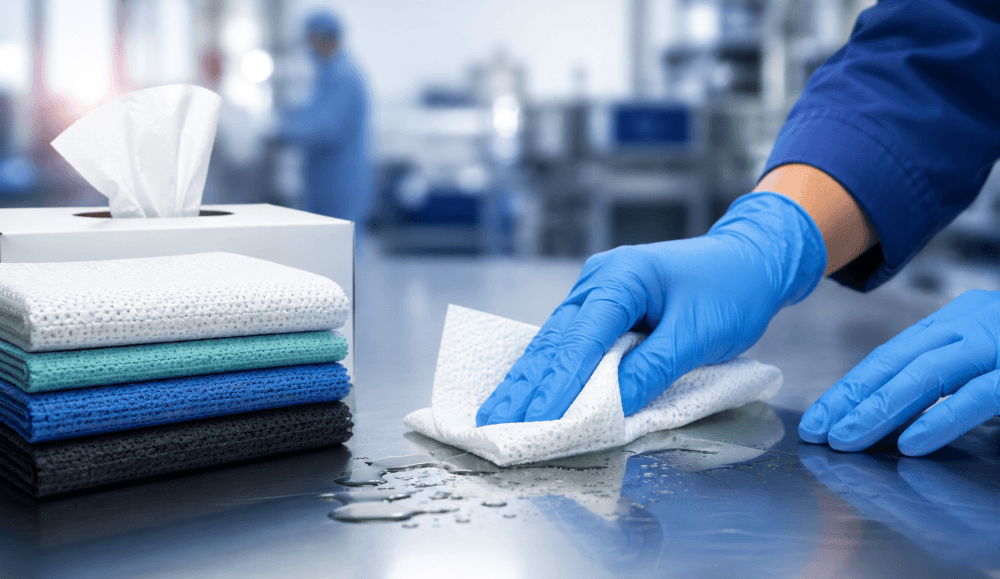
This makes it especially useful for spill cleanup, glass cleaning, and disinfecting surfaces.
Improved absorbency directly translates to better cleaning efficiency, reducing the number of passes required to clean a surface thoroughly.
- Reduced Cross-Contamination Risk
Cross-contamination is a major concern in professional cleaning environments. Traditional rags often spread bacteria from one surface to another due to poor trapping ability.
Microfiber, however, captures and locks in contaminants within its fiber structure until properly washed.
This makes microfiber cloths significantly safer for:
- Healthcare environments
- Food service operations
- Industrial cleanrooms
By reducing contamination spread, microfiber improves both hygiene standards and operational safety.
- Enhanced Durability and Cost Efficiency
While cotton rags may appear cheaper initially, they wear out quickly and lose effectiveness after repeated washing cycles.
In contrast, high-quality microfiber products from Coastal Wipers are designed for long-term use. They:
- Withstand hundreds of wash cycles
- Maintain structural integrity
- Retain cleaning performance over time
This durability improves long-term cleaning efficiency, reducing the need for frequent replacements and lowering operational costs.
- Chemical-Free Cleaning Capability
Another major advantage of microfiber cloths is their ability to clean effectively with minimal or no chemicals.
Because microfiber physically lifts dirt and grease, it often eliminates the need for harsh cleaning agents. This results in:
- Lower chemical costs
- Reduced environmental impact
- Safer working conditions for staff
For businesses focused on sustainability, this is a major advantage. It also improves cleaning efficiency by simplifying the cleaning process and reducing preparation time.
- Better Surface Compatibility
Traditional rags can be too abrasive or too weak depending on the surface being cleaned. Microfiber, however, is gentle yet highly effective.
It can be safely used on:
- Glass and mirrors
- Stainless steel surfaces
- Electronic equipment
- Painted surfaces
- Delicate industrial machinery
This versatility makes microfiber cloths a universal cleaning solution across industries, improving workflow consistency and reducing the need for multiple cleaning tools.
- Faster Cleaning Time and Labor Efficiency
Time is a critical factor in industrial and commercial cleaning operations. Microfiber significantly reduces the time required to clean surfaces thoroughly.
Because of its superior dirt-trapping and absorbency properties, fewer passes are needed to achieve a spotless finish. This directly enhances cleaning efficiency and reduces labor effort.
Businesses using solutions from Coastal Wipers often report:
- Faster turnaround times
- Reduced labor fatigue
- Improved productivity per shift
- Lint-Free and Streak-Free Results
Traditional cotton rags often leave lint, fibers, or streaks behind—especially on glass or polished surfaces.
Microfiber eliminates this issue entirely. The tightly woven structure ensures:
- No lint shedding
- No streaking
- Clean, polished finishes every time
This is particularly important in industries where presentation and cleanliness are critical, such as hospitality and automotive detailing.
- Environmental Benefits
Switching to microfiber also has environmental advantages. Since microfiber cloths last longer and reduce chemical usage, they contribute to lower waste and reduced pollution.
Key environmental benefits include:
- Reduced disposable waste
- Lower water usage in cleaning
- Decreased reliance on chemical detergents
By adopting microfiber solutions from Coastal Wipers, organizations can align with sustainability goals while improving operational performance.
- Versatility Across Industries
Microfiber is not limited to one type of cleaning application. It is widely used across multiple sectors:
- Healthcare: Sanitizing medical equipment and surfaces
- Automotive: Detailing and polishing vehicles
- Hospitality: Room cleaning and surface polishing
- Manufacturing: Equipment maintenance and spill control
- Commercial cleaning: Office sanitation and dust removal
This adaptability makes microfiber one of the most versatile cleaning materials available today.
How Coastal Wipers Enhances Cleaning Standards
As a trusted provider of professional wiping solutions, Coastal Wipers focuses on delivering high-performance products that meet industrial demands.
From microfiber to non-woven wipes, the company provides solutions designed to improve hygiene, reduce costs, and increase productivity.
Their product range includes:
- Rags, Towels, & Wiping Cloths
- Non-Woven Disposable Wipers
- Microfiber Cleaning Solutions
- Industrial Sorbents
Each product is engineered to support better cleaning efficiency while maintaining durability and performance consistency.
Real-World Impact: Why Businesses Are Switching
Across industries, the shift from traditional rags to microfiber is driven by measurable benefits:
- Reduced cleaning time by up to 40%
- Lower chemical consumption
- Fewer replacement costs
- Improved hygiene compliance
- Better customer-facing cleanliness
These advantages collectively demonstrate why microfiber cloths are becoming the new standard in professional cleaning.
Common Misconceptions About Microfiber
Despite its advantages, some misconceptions still exist:
“Microfiber is expensive”
While the initial cost may be higher, long-term savings outweigh the investment due to durability.
“All cloths are the same”
Not all cloths perform equally. Quality matters significantly, and premium providers like Coastal Wipers ensure consistent performance.
“Cotton is more natural and better”
Natural does not always mean more effective. Microfiber outperforms cotton in almost every cleaning category.
Best Practices for Using Microfiber Cloths
To maximize performance, users should follow proper care guidelines:
- Wash separately from cotton fabrics
- Avoid fabric softeners
- Use mild detergents
- Air dry or low-heat dry
- Assign color-coded cloths for different tasks
These practices help maintain the structure and extend the life of microfiber cloths, ensuring consistent cleaning efficiency over time.
Conclusion
The shift from traditional rags to microfiber is not just a trend—it is a fundamental improvement in cleaning technology. With superior absorption, enhanced dirt trapping, reduced contamination risk, and long-term durability, microfiber clearly outperforms conventional materials in nearly every category.
Organizations that adopt solutions from Coastal Wipers benefit from improved hygiene, reduced operational costs, and significantly better cleaning efficiency across all applications.
As industries continue to prioritize cleanliness, sustainability, and productivity, microfiber cloths will remain a cornerstone of modern cleaning practices.
